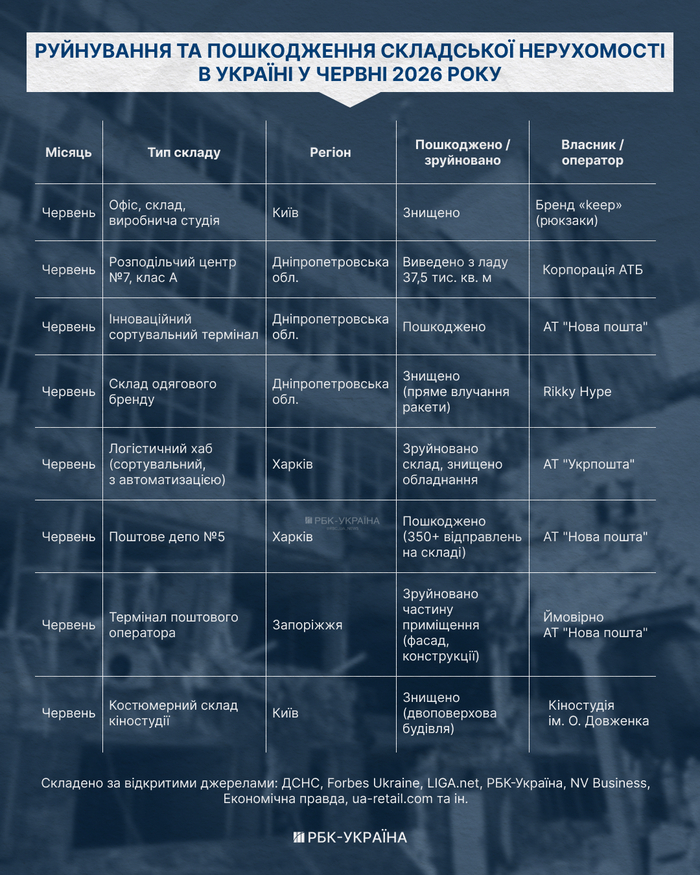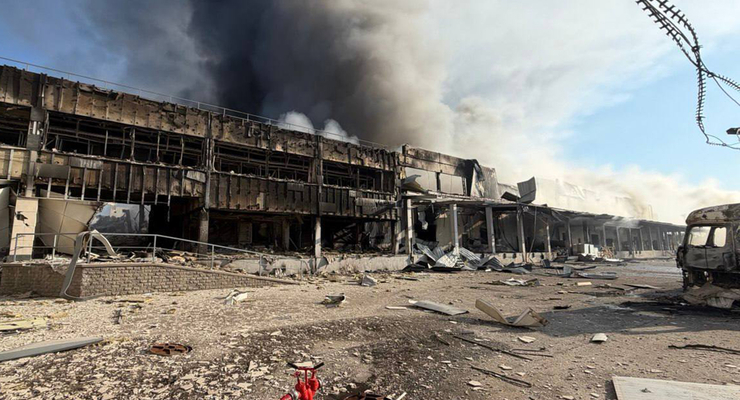
Since the beginning of 2026, Russian forces have targeted Ukraine’s warehouse and logistics infrastructure at least 25 times. As a result, tens of thousands of square meters of warehouse space have been destroyed or damaged, forcing businesses to swiftly restructure their supply chains and adapt their logistics strategies. This is reported in an article by RBC-Ukraine, as cited by Dengi.ua (original source available here).
Businesses Are Revamping Logistics After Setbacks
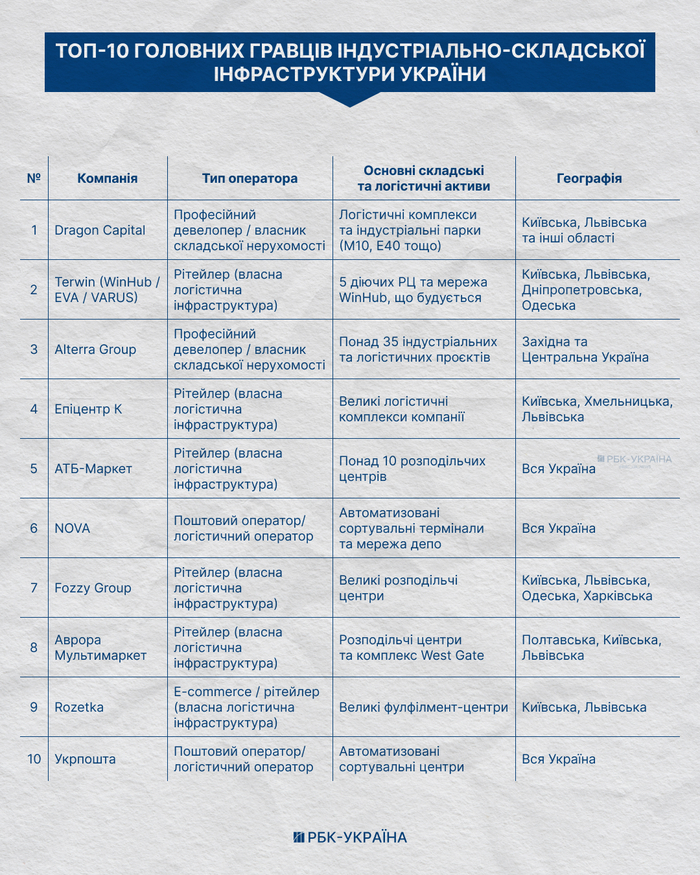
The most significant losses this year have been sustained by the logistics facilities of Roshen, ATB, Nova Post, and a number of other operators. In recent months alone, “Nova Post” reported damage to at least eight facilities in various regions of the country.
Despite the ongoing attacks, major companies report that they managed to quickly reroute deliveries and mitigate severe supply shortages through the use of backup routes and the redistribution of cargo flows.
Experts note that persistent threats are forcing operators to establish additional warehouse capacity and build redundancy into their supply chains.
Large hubs are giving way to a network of regional warehouses
The war has radically changed the approach to logistics. Whereas companies previously sought to centralize their inventory in large distribution centers, they are now increasingly relying on a decentralized network of smaller warehouses across different regions.
This approach helps mitigate the risk of a complete shutdown in the event of a missile strike on a single facility.
Furthermore, industrial real estate operators have begun to place a significantly higher emphasis on security. New lease agreements now include specific clauses regarding military risks, force majeure, insurance, and protocols to follow during air raid alerts.
Owners Are Concealing the Locations of Their Warehouses
Another new trend has been a reduction in publicly available information about logistics facilities.
While developers previously actively marketed warehouse complexes and disclosed their exact locations, many companies are now deliberately removing facility names and coordinates from maps and promotional materials to minimize the likelihood of repeat strikes.
Lviv has become the main logistics hub for imports
Due to changes in trade routes, Lviv is gradually becoming the key hub for the redistribution of imported goods.
While Kyiv was the main logistics hub before the full-scale war, the western region has now gained strategic importance due to its proximity to the European border. A significant portion of imported goods entering Ukraine by road passes through Lviv.
At the same time, demand for large distribution centers remains high in the Kyiv region, while a network of medium-sized warehouses tailored for transit logistics is actively expanding in the Lviv region.
Investors continue to invest in warehouses
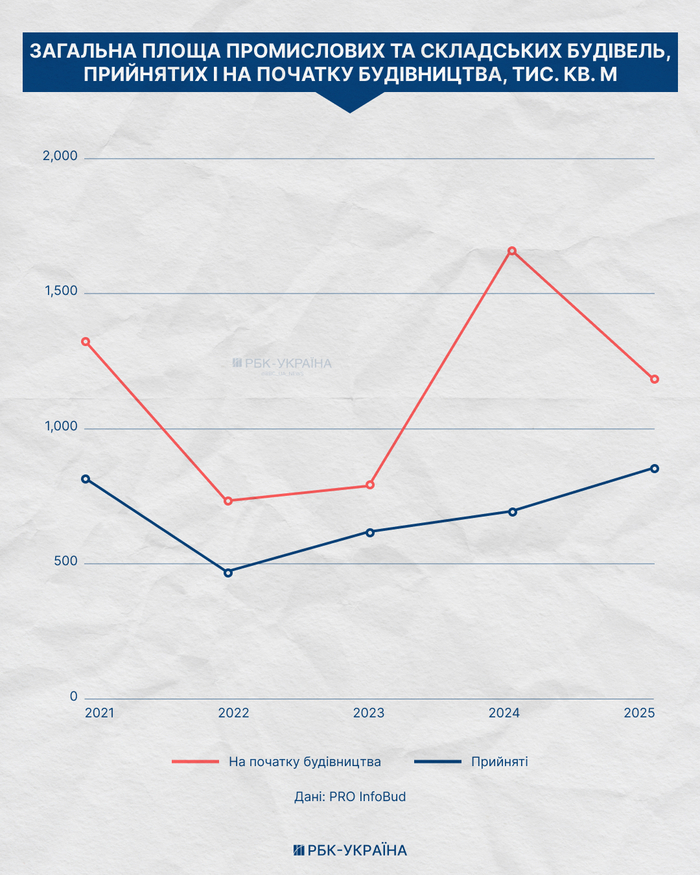
Despite military risks and rising construction costs, logistics real estate remains an attractive asset class for investors.
According to market practitioners, modern logistics complexes can generate annual returns of 8–11% in U.S. dollars for owners, driven by long-term lease agreements and steady demand.
At the same time, developers are increasingly shifting toward build-to-suit projects, where a facility is constructed for a specific tenant, and new complexes are designed with autonomous power supplies, enhanced security measures, and the flexibility to adapt to various business models.
The market is preparing for post-war recovery
Experts believe that the Ukrainian logistics real estate market has fully transitioned to a new development model, where security, flexibility, and decentralization are top priorities.
Once the war ends, demand is expected to shift toward export logistics, and promising transportation hubs - in addition to Lviv - could include Rivne, Lutsk, Dnipro, and the Odesa region, following the full restoration of port operations.