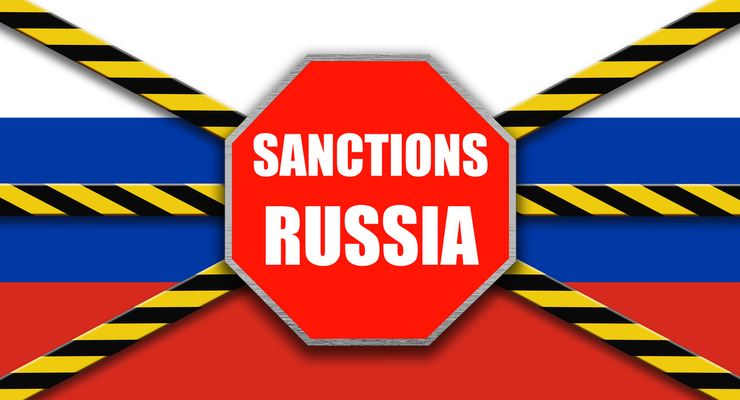
The Council of the European Union has extended economic sanctions against Russia for another 12 months - until July 31, 2027 - due to its actions destabilizing the situation in Ukraine. The decision was made following the European Council summit on June 18-19, 2026.
This was reported by Dengi.ua , citing an official press release by the Council of the EU.
What sanctions against Russia has the EU extended?
The economic measures, first introduced in 2014, were significantly expanded after February 2022 in response to Russia’s full-scale military aggression against Ukraine.
The current sanctions cover key sectors, including trade, finance, energy, and dual-use technologies. Among them are:
- A ban on the import or transit of crude oil and certain petroleum products from Russia to the EU;
- A ban on transactions involving certain financial institutions and cryptocurrency services in Russia and third countries;
- The suspension of broadcasting activities and licenses in the EU for several pro-Kremlin disinformation outlets.
Certain measures also enable the EU to counter efforts to circumvent the sanctions.
What other restrictions are in place against Russia?
In addition to economic sanctions, the EU has imposed other types of restrictions in response to Russia’s actions against Ukraine:
- Restrictions on economic relations with the illegally annexed Crimea and Sevastopol, as well as the non-government-controlled territories of the Donetsk, Kherson, Luhansk, and Zaporizhzhia regions;
- Targeted sanctions (asset freezes and travel restrictions) against a wide range of individuals and organizations;
- Diplomatic measures.
Since February 24, 2022, the EU has adopted 20 unprecedented sanctions packages in response to Russia’s full-scale invasion.
Will the EU increase pressure on Russia?
The EU Council emphasized that it will maintain existing measures and is prepared to adopt additional ones as long as Russia continues to violate fundamental norms of international law.
In its conclusions of June 18, 2026, the European Council reaffirmed its unwavering support for Ukraine’s independence, sovereignty, and territorial integrity and declared its intention to continue weakening Russia’s military economy. This involves, in particular, further reducing Russia’s energy revenues, countering its “shadow fleet,” and restricting its banking system. The EU also called for the swift adoption of the 21st sanctions package.