Russia’s defense-industrial complex continues to rely on imports of strategically important minerals, despite the country’s significant domestic mineral reserves. According to experts, most projects aimed at developing domestic production will not be able to yield commercial results before 2035. This is stated in the study “ ” by the Economic Security Council of Ukraine (ESCU), as reported by Dengi.ua All news.
The report notes that after 2022, Russian authorities announced plans to increase the extraction of scarce raw materials; however, the lack of a complete production cycle for a number of key minerals keeps the country dependent on foreign suppliers. This applies, in particular, to alumina, tungsten, ferroniobium, tantalum, beryllium, rhenium, and other materials necessary for the defense industry.
China Remains the Main Supplier
China continues to supply the largest volumes of strategic raw materials to Russia. From April 2024 through March 2025, China exported:
- 1.6 million metric tons of alumina worth approximately $1 billion, accounting for 31.5% of Russia’s imports of this product;
- 240 metric tons of tungsten worth $9.8 million (97% of imports);
- 3.8 metric tons of tantalum worth $4 million (30%);
- 1,732 metric tons of niobium products worth $64 million (58%).
Ferroniobium is Sourced From Several Countries
Russia receives a significant portion of its ferroniobium from Brazil - 1,033 metric tons worth over $33 million, accounting for approximately 30% of its imports. Canada supplied an additional 388 metric tons worth $12.8 million.
According to ESCU, this material is used in the production of high-strength and heat-resistant steels required for the manufacture of rocket casings, aircraft engines, and armored vehicles.
In addition to direct shipments, analysts also recorded re-exports. For example, 82 metric tons of Dutch ferroniobium worth $2.55 million entered Russia via Turkey, and another 40 metric tons of Brazilian and Canadian raw materials worth $1.22 million were imported via Germany.
Alumina is Also Supplied From Ireland
Ireland remains a major supplier of alumina. During the period in question, 960,350 metric tons of the product, worth $567.68 million, were exported to Russia, accounting for 17% of imports.
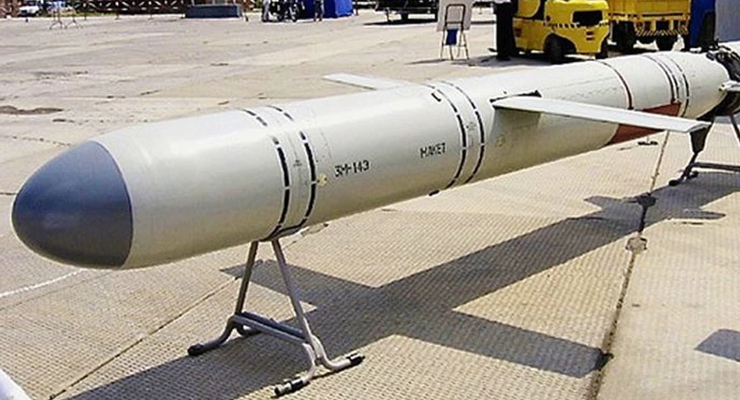
This material is essential for the production of aluminum, which is used in the manufacture of military aircraft, as well as cruise and ballistic missiles, including the Kh-101, Kalibr, and Iskander.
Kazakhstan, Uzbekistan, and Armenia Supply Critical Raw Materials
According to the study, Kazakhstan accounted for 69% of tantalum imports, valued at $9.28 million, and 76% of beryllium product shipments, valued at $11.03 million. According to analysts, these raw materials were used by manufacturers of the Iskander-M, Kinzhal, and Pantsir-S systems, as well as Kh-59 missiles.
Uzbekistan supplied Russia with 3.95 metric tons of rhenium raw materials worth $2.3 million, which are used in the production of aircraft and rocket engines. Another 290 metric tons of such products came from Belarus.
Armenia also remains a major supplier, having exported 2,058 metric tons of molybdenum products worth $65.25 million to Russia. It accounted for 42% of imports, with the bulk consisting of ferromolybdenum, which is used in the production of special steels for the aviation, rocket, and defense industries.
“A halt in the supply of strategic minerals will inevitably lead to a weapons shortage in Russia and will serve as a compelling argument in favor of a ceasefire. However, this requires decisive economic restrictions targeting the entire supply ecosystem - from raw materials to traders, exporters, and logistics hubs,” noted Olena Yurchenko, Director of Analytics, Research, and Investigations at ESCU.