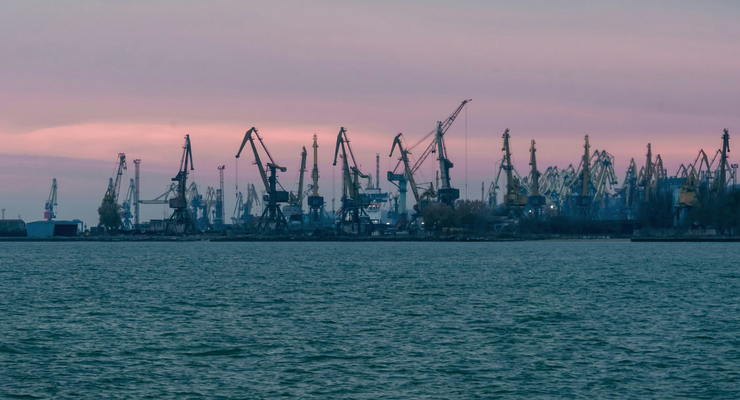
As of July 29, there is no information regarding the resumption of vessel traffic through the Ukrainian maritime corridor. President Volodymyr Zelenskyy previously stated that Russia is likely to continue its attacks on maritime infrastructure. Prior to this, over the course of two and a half years of operation, the maritime corridor was used by more than 8,000 ships—an average of about nine ships per day. This was reported by Dengi.ua, citing a publication by Ekonomichna Pravda.
The maritime route remains a key channel for Ukrainian exports. In January-June 2026, Ukraine exported 50.7 million metric tons of goods, of which approximately 34 million metric tons - or about two-thirds - were shipped through the ports of Greater Odesa. In June alone, goods worth $2.1 billion - out of the country’s total monthly exports of $3.5 billion - were shipped through these three seaports. Every day that the ports are shut down results in lost maritime shipments worth approximately $70 million.
A significant portion of Ukraine’s foreign trade also passes through the ports in the opposite direction. In the first six months of the year, 68.5 million metric tons of cargo crossed the border in both directions, with more than 40 million metric tons passing through maritime border crossings. Thus, approximately six out of every ten metric tons of goods were transported by sea.
Other logistics routes - the Danube region, rail, and road transport - lag significantly behind Greater Odesa in terms of volume. In no month of the first half of the year did the combined export volumes via these routes exceed 3 million metric tons. In fact, this represents their maximum throughput capacity rather than spare capacity: by comparison, during its most productive month, the ports of Greater Odesa handled 7.4 million metric tons.
At the same time, logistics via the Danube are approximately $20-30 per metric ton more expensive than those via Odesa. An additional limitation is the depth of the canals, which restricts vessel draft to just 5.5-6.7 meters. Freight rates from Danube ports to Egypt rose from $35 to $43-55 per metric ton in just two weeks.
At the same time, the port of Constanța is preparing to receive the new harvest from within Romania itself. August shipments of Romanian wheat are estimated at $247 per metric ton. As a result, Ukrainian grain will have to compete with local produce while utilizing Romania’s port infrastructure.
Poland is also expanding its grain transshipment capacity: its capacity has increased from 8 million to 14 million metric tons per year. However, the throughput capacity of Ukraine’s western border remains limited - physically, it can handle about 10-11 million metric tons of all types of cargo per year.