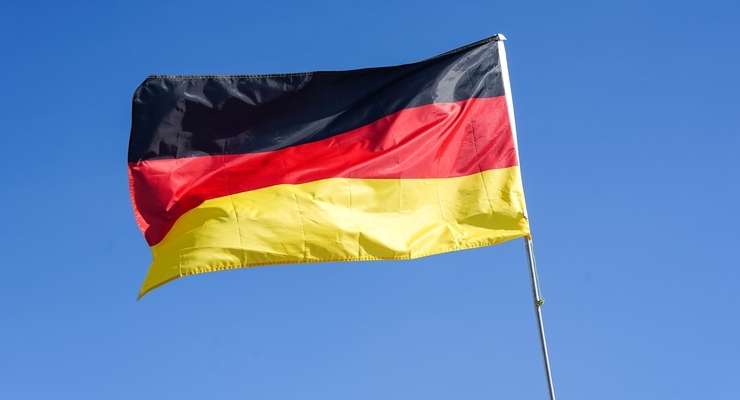
Germany, which for many years was considered one of the most attractive countries for migrants, is facing a new trend—some foreigners are deciding to leave the country. According to a study by the Institute for Employment Research (IAB), approximately 260,000 people may leave Germany annually, a figure comparable to the German economy’s need for new labor inflows. This was reported by Dengi.ua, citing a Deutsche Welle report (available here).
One in Four Residents of Germany has Foreign Roots
Today, about 25 million people in Germany have a migrant background, and approximately 16 million were born outside the country.
The new study is based on responses from more than 15,000 people aged 18 to 65 who were born abroad and resided in Germany as of April 2024. The second wave of the survey took place from November 2025 to February 2026.
The study showed that about 2.6% of participants had indeed left Germany. Nationwide, this corresponds to approximately 260,000 people.
Where Do Former Residents of Germany Move To?
According to the study, about 60% of migrants return to their countries of origin.
Most often, people move to:
- Croatia;
- Poland;
- Turkey;
- Romania.
The rest choose other European countries to settle in. Among the most popular destinations are:
- Spain;
- Switzerland;
- Italy;
- the Netherlands.
Researchers note that the growing appeal of some Eastern European countries is linked to improved living standards and economic development.
Why Poland Is Becoming an Alternative to Germany
The authors of the study pay particular attention to Poland, which has significantly strengthened its position in recent years.
The country’s economy is showing steady growth, the labor market is expanding rapidly, and housing costs remain noticeably lower than in Germany. In addition, many German companies operate in Poland, which makes it easier for professionals with work or residency experience in Germany to find employment.
Against this backdrop, the German economy has shown virtually no growth for several years now.
Ukrainians Are in No Hurry to Leave
The study also showed that Ukrainian refugees do not yet express a strong desire to leave Germany.
According to the study’s lead researcher, Yulia Kosyakova, migration intentions among Ukrainians remain low, and most of them plan to continue living in the country.
What the Authorities Propose to Change
The study’s authors believe that Germany can reduce the outflow of foreign professionals by streamlining bureaucratic procedures and enhancing integration measures. Key recommendations include facilitating access to the employment and housing markets, as well as reducing administrative barriers for foreigners. According to the researchers, such measures will help retain skilled workers, who are currently in exceptionally short supply across the German labor market.