The European Union has approved a mechanism allowing member states to confiscate and sell Russian oil and grain from ships in the so-called “shadow fleet” that are used to circumvent sanctions. However, the proceeds cannot be transferred to Russian individuals or legal entities. This was reported by Dengi.ua, citing Euractiv.
What Has Changed
The new mechanism is part of the 21st package of EU sanctions and has already been published in the Official Journal of the European Union.
As explained by the European Commission, EU countries now have the right not only to detain suspicious vessels but also to seize the cargo they are carrying and subsequently sell it. Proceeds from the sale of confiscated oil and grain will not be transferred to the Russian side.
Powers Expanded to Combat the “Shadow Fleet”
Previously, European military forces could only stop ships for inspection. Now their capabilities have been significantly expanded.
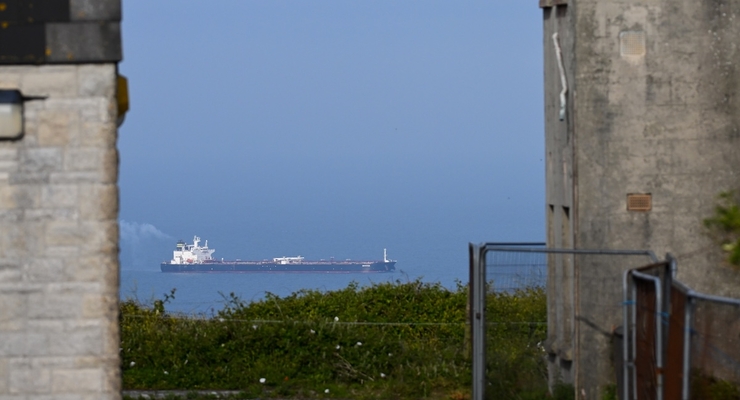
According to the EU, the sanctions list already includes more than 670 tankers sailing under foreign flags that are suspected of transporting Russian oil in circumvention of existing restrictions.
What Restrictions Are Now in Place
In addition to the cargo confiscation mechanism, the new sanctions package provides for:
- maintaining a price cap on Russian oil at $44 per barrel for a period of one year;
- a ban on European companies providing services - including insurance - for such tankers if the oil is sold at a price above the established limit.
Ship Detentions Are Already Underway
As Euractiv notes, European countries have already stepped up their monitoring of shipments.
For example, in March, Belgium detained a tanker carrying about 330,000 barrels of oil. In June, France stopped a vessel carrying about 600,000 barrels of oil from Murmansk, and on July 20, the tanker MV South Star was inspected in the Mediterranean Sea.
The EU’s foreign policy chief, Kaja Kallas, stated that the European Union intends to back up sanctions with active measures at sea to limit sources of funding for the Russian military machine.