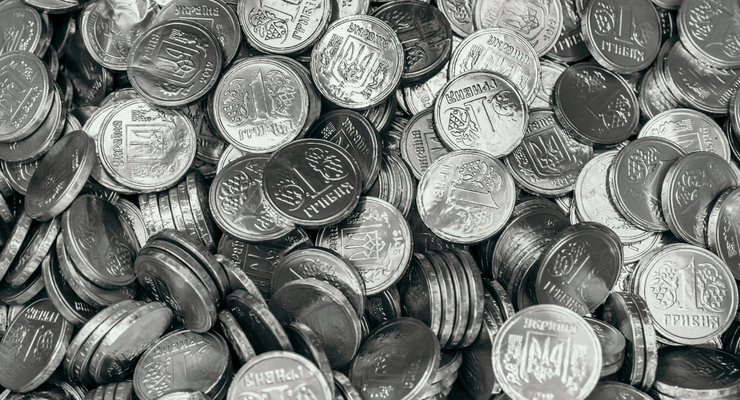
The International Monetary Fund (IMF) is putting pressure on the National Bank of Ukraine to devalue the hryvnya. According to sources familiar with the negotiations, the IMF sees a gradual weakening of the national currency as a way to strengthen the country's financial stability and increase budget revenues denominated in hryvnya. However, in Kiev such a proposal raises concerns on the eve of the discussion of a new loan package. This is reported by Dengi.ua with reference to publication Vloomberg.
It is noted that the leadership of the NBU opposes the idea of devaluation, warning about the risks of inflation growth and negative public reactions. Disagreements with the international lender complicate the negotiation process, especially against the backdrop of the war with Russia, which is in its fourth year. Ukraine has already disbursed most of the funds under the IMF's $15.6 billion program approved in 2023 and now expects a new package of about $8 billion.
It is reported that the next round of talks took place at the fund's annual meetings in Washington, where the parties discussed the next steps. A new meeting at the expert level is expected next month, and IMF Managing Director Kristalina Georgieva is planning a visit to Kiev to support the discussion of additional funding.
According to the publication, the currency issue has become one of the key sources of tension in the dialog. Proponents of devaluation argue that the weakening of the hryvnya will increase nominal budget revenues due to export contracts denominated in foreign currency. However, sources say that the National Bank does not intend to yield to the pressure, believing that the economic effect will be limited, as the Ukrainian economy is largely dependent on direct international support. In addition, weakening of the currency may provoke an inflationary surge and undermine financial stability.
In addition, political repercussions cannot be ruled out. Ukrainian authorities have traditionally avoided steps that could cause currency depreciation for fear of a negative reaction from the population. After a series of economic crises in the past years, the public is extremely sensitive to price increases. In the conditions of a protracted war and increasing fatigue of the population, such a step looks unlikely, said one of the interlocutors.
It is also noted that the NBU refused to comment on the situation before the decision on the key interest rate, expected next week. Representatives of the IMF also refrained from statements.
The publication recalls that in February 2022, after the start of the full-scale invasion of Russia, the National Bank temporarily abandoned the floating exchange rate regime to prevent a sharp devaluation. Later, after the situation stabilized, the regulator allowed limited fluctuations in the exchange rate. Since then, the hryvnia has weakened by about 13% against the US dollar.
The IMF, which lent to Ukraine amid the war - a move without precedent - is pushing for a further review of the currency policy. The 2023 agreement became possible after the G7 countries agreed to guarantee the repayment of the debt in case Ukraine fails to fulfill its obligations.