Attacks on more than 300 gas stations in frontline regions did not lead to a fuel crisis; however, a key strategic threat to Ukraine’s energy security lies in targeted strikes on oil depots and a critical shortage of secure storage facilities needed to build a 90-day state reserve.
This was reported by Dengi.ua with reference to a statement by Serhiy Kuyun, director of the A-95 Consulting Group.
Attacks on Gas Stations: Why the Retail Market Remains Stable
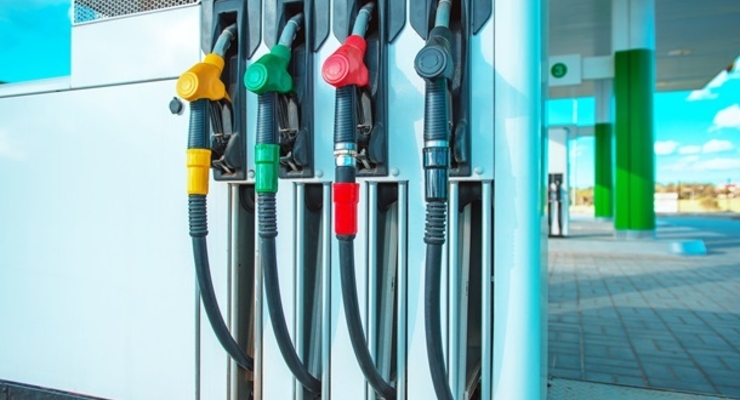
Despite massive attacks on retail infrastructure, no shortages of gasoline or diesel have been reported at gas stations:
- damage to over 300 gas station complexes near the front lines has not left a single settlement without fuel;
- drivers sometimes have to travel extra kilometers or fill up jerry cans for later use, but transportation has not come to a halt;
- retail chains compensate for local damage by rapidly redeploying resources via fuel tank trucks.
Logistical Vulnerabilities: From Maritime Risks to Destroyed Oil Terminals
After the complete blockade of pre-war supply routes in 2022, Ukraine established a flexible logistics system via its western and southern borders, relying on road and rail transport. Nevertheless, the system is under constant pressure:
- maritime fuel import chains are currently severely hampered and have become completely inaccessible on certain routes;
- there are virtually no large oil depots left in the country that have not been subjected to missile and drone attacks;
- the destruction of above-ground storage tanks is preventing compliance with the law requiring the creation of a mandatory 90-day strategic reserve of petroleum products in accordance with EU standards.
Underground Storage Facilities and State Support Worth UAH 1 Billion
To protect these resources, the Cabinet of Ministers adopted a package of resolutions aimed at insuring against military risks and providing preferential loans to businesses:
- companies are being offered targeted loans of up to UAH 1 billion for the construction of secure underground storage tanks, with a strict implementation deadline of approximately one year;
- under normal conditions, the actual cycle for launching such a facility takes up to 2–2.5 years (1–1.5 years for design and permitting documentation and at least another half-year for construction work), but reducing red tape can speed up the process by half;
- at the same time, government agencies are working to create a unified underground storage facility for petroleum products.
How to Prepare for Winter: Tips for Drivers and Businesses
It will not be possible to establish a centralized state reserve by the start of the heating season due to time constraints and the enormous financial costs involved in procuring the resources. In light of this, Kuyun urges market participants and citizens to build their own local reserves:
- the government has already mandated that ministries, agencies, and state-owned companies establish autonomous fuel reserves;
- municipalities, local communities, commercial enterprises, and individual car owners are encouraged to build targeted reserves;
- today, the market is saturated with fuel and there is a surplus, and a repeat of the full-scale crisis of spring 2022 is ruled out thanks to the diversification of imports;
- personal reserves (for example, enough fuel to fill two tanks—one for a generator and one for a car) will allow people to calmly weather any temporary logistical disruptions and avoid creating a panic-stricken rush at gas station lines.