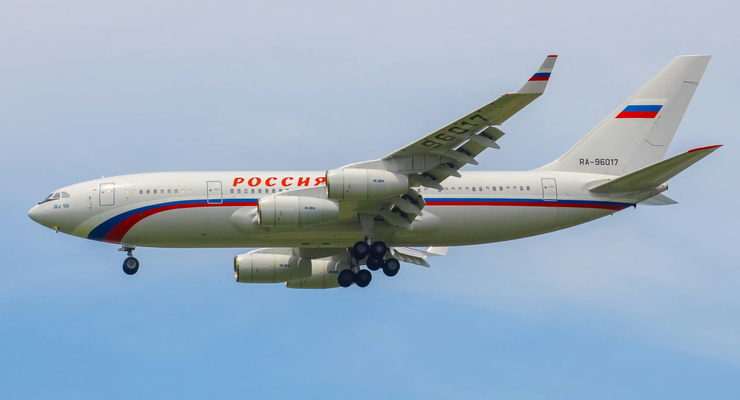
Russian airlines will remain without new domestic passenger aircraft through 2026, according to Rostec CEO Sergey Chemezov during a recent meeting with Vladimir Putin. The start of serial production for the MS-21 airliner, which has been under development since the mid-2000s, has now been pushed back to 2027. This was reported by Dengi.ua with reference to The Moscow Times.
The MS-21 was originally intended to enter the market approximately ten years ago. In 2022, Chemezov claimed serial production would begin in 2024, with Aeroflot set to receive the first six units. Those deadlines were subsequently moved to 2025, then 2026, and have now been delayed yet again.
Reduced Ambitions and Testing Hurdles
During the meeting, Chemezov admitted that only a portion of the required testing has been completed. Consequently, production targets have been drastically scaled back. While the original plan aimed for an annual output of 72 MS-21 aircraft, Rostec now expects to produce only 36 airliners per year by 2030.
Similar delays plague the "import-substituted" version of the Sukhoi Superjet (SJ-100). In 2023, Rostec promised that airlines would receive the first 20 units within a year. After being pushed to 2026, the delivery date has now been moved to 2027. Chemezov stated that "80% of flights are completed," with certification expected this year and serial production next year.
The turboprop Il-114-300, intended to replace aging An-24 and An-26 models (some of which are over 50 years old), has also seen its timeline shift. Originally set for 2023 certification, the start of serial production is now not expected until 2027.
Discrepancy Between Plans and Reality
Following the invasion of Ukraine, Russian authorities announced an ambitious program to restore the civilian aviation industry, aiming to replace Boeing and Airbus fleets with domestic alternatives. According to those plans, by the start of 2026, the industry was supposed to have produced:
- 18 MS-21;
- 10 IL-114-300;
- 20 Tu-214;
- 3 IL-96-300.
The strategy envisioned Russian enterprises producing 120 aircraft annually by 2025 and 200 per year by 2028. However, actual figures are starkly different. Over the last three years, airlines received only 12 Superjets and a single Tu-214. Notably, Reuters reports that the sole Tu-214 is not used for passenger service but is operated for Deputy Prime Minister Denis Manturov.
Due to these persistent failures, the Russian government scaled back its fleet renewal targets in early 2025. The goal for the share of domestic aircraft in Russian fleets by 2030 has been reduced from 80% to just 50%.