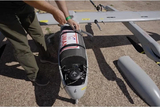
Russia and Ukraine are increasingly adopting a strategy of preemptive strikes against UAV (Unmanned Aerial Vehicle) production facilities. In recent months, the frequency of these attacks has grown significantly as both sides seek to neutralize drones at the manufacturing stage, degrading enemy capabilities before they ever reach the battlefield. This was reported by Dengi.ua, citing a publication in Forbes.
Ukrainian strikes
Ukraine has intensified its campaign of long-range strikes against Russian infrastructure vital to unmanned systems. A major operation occurred on April 19, 2026, targeting the Atlant Aero facility in Taganrog, Rostov region. Neptun cruise missiles were utilized in the strike. The plant was reportedly involved in manufacturing "Molniya" strike and reconnaissance drones, as well as components for the "Orion" UAV. Subsequent satellite imagery confirmed significant damage to production halls and logistics infrastructure, with follow-up strikes occurring in the weeks that followed.
The operation against Atlant Aero is part of a broader offensive against Russia's drone production network. Ukrainian forces have also struck the BARS-Sarmat Special Operations Center in the occupied Zaporizhzhya region—a hub for developing robotic systems and electronic warfare (EW) equipment. Additionally, the Progress factory in the Tambov region, a producer of specialized sensors and electronic components, has been hit on several occasions.
Throughout April and early May, Ukrainian forces repeatedly targeted the Alabuga Special Economic Zone in Tatarstan, where Russia assembles Shahed-type drones. Production and assembly sites reportedly sustained damage. Furthermore, on May 5, 2026, Ukrainian missiles and drones struck the VNIIR-Progress plant in Cheboksary. This enterprise produces critical navigation receivers and antennas, including "Kometa" modules designed to protect Shahed drones and guided aerial bombs against GPS jamming. Experts suggest this reflects a shift in Kyiv's strategy: rather than relying solely on electronic suppression, Ukraine is now prioritizing the destruction of the factories that produce these critical components.
The Russian Response
Russia has similarly escalated its strikes against Ukrainian drone infrastructure. The Russian Ministry of Defense stated via Telegram that six long-range attacks were conducted between April 25 and May 1, specifically targeting "UAV assembly, storage, and launch sites." These reports have become frequent, indicating a strategic focus on dismantling Ukraine's drone capabilities.
According to Russian sources, strikes have targeted facilities near Kyiv linked to the production of "Lyuty" (Furious) long-range drones, which have been used to strike Russian oil infrastructure. Attacks have also been reported on workshops dedicated to the assembly and modernization of FPV drones. Furthermore, Russia consistently targets industrial zones in Kharkiv and Dnipro associated with the production of communication and guidance systems. These actions aim to disrupt Ukrainian supply chains and reduce the overall scale of UAV production.
Factors Driving the Escalation
The rise in these preemptive strikes is largely due to the increasing difficulty of countering drones once they are airborne. Russian UAVs are becoming more effective at bypassing Ukrainian defenses through advanced electronics and increased autonomy. Conversely, Russia struggles to provide comprehensive air defense coverage for the vast number of industrial and military sites across its territory.
Technological advancements have also fueled this shift. Ukraine has expanded the range of its strike systems, such as the "Lyuty" (Furious) and upgraded UJ-22 drones, allowing them to hit targets over 1,000 kilometers away in regions like Tatarstan. Meanwhile, Russian Shahed-type drones have been upgraded with improved navigation, resistance to electronic warfare (EW), and terminal-phase operator control for higher precision.
Intelligence capabilities have also matured. Russia utilizes extensive satellite surveillance, while Ukraine has developed a flexible intelligence network. Both sides have spent years mapping potential targets using satellite imagery and field intelligence. Nevertheless, experts maintain that while targeting production facilities can significantly mitigate the threat, it cannot entirely eliminate it, even when combined with traditional air defense and EW systems.